You’ve created a digital product. Now comes the question that trips up even the most talented creators: where exactly do you sell this thing?
The platform you choose today could mean the difference between you keep 95% of your revenue or you watch nearly a quarter of it disappear into fees. That’s not hyperbole. A creator who generates $50,000 annually pays approximately $5,250 on Gumroad versus roughly $600 with a self-hosted WordPress setup, and that gap compounds to over $25,000 across five years. In a market projected to reach $416 billion by 2030, you need to get this decision right.
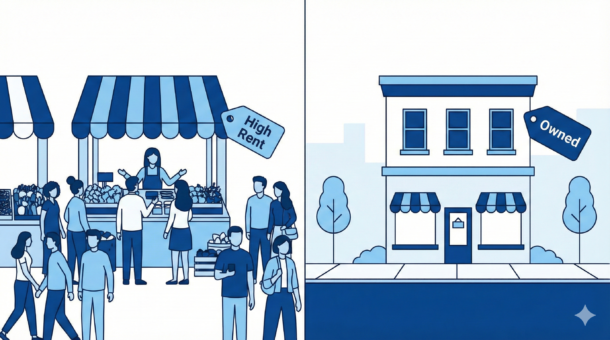
Think of a sales platform like a storefront location. You could set up shop on a busy street corner where foot traffic is guaranteed but rent is astronomical. That’s your marketplace like Etsy or Creative Market. Or you could build in a quieter neighborhood where you own the property outright and keep every dollar after expenses. That’s self-hosted solutions. Neither option is inherently better, but the wrong choice for your specific situation gets expensive fast.
This guide breaks down every platform available, compares their real costs (the hidden ones included), and helps you pick the right one for your situation.
The Three Categories of Sales Platforms Explained
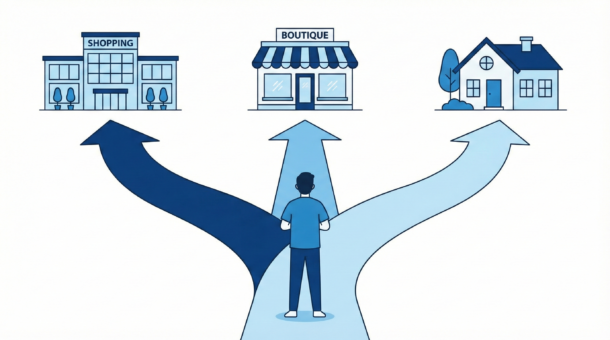
Every platform for digital products falls into one of three categories. These categories determine your profit margins, your control over customer relationships, and how much work you’ll do.
Marketplaces Give You Traffic but Take a Big Cut
Marketplaces like Etsy, Gumroad, Creative Market, and Udemy function like shopping malls. They attract browsers who might find your products organically. You benefit from their ad spend, their established trust, and their massive existing customer bases.
The trade-off involves significant fees and limited control over customer relationships.
Etsy now charges a combination of listing fees ($0.20 per item), transaction fees (6.5%), payment processing (3% + $0.25), and mandatory offsite advertising fees for many sellers that can push total costs to 20-25% of each sale. Creative Market takes 50% of every transaction outright.
Marketplaces work best when you test product-market fit, lack an existing audience, or sell commodity products where price comparison is the norm.
Creator Commerce Platforms Offer Lower Fees and More Control
This category barely existed five years ago. Platforms like Stan Store, Beacons, Payhip, Ko-fi, and Lemon Squeezy emerged specifically to serve content creators who already have audiences on social media but need simple storefronts.
Fees are generally lower than marketplaces. Payhip’s free tier charges just 5%, and their $99/month Pro plan eliminates transaction fees entirely. Stan Store charges $29-99/month with zero transaction fees.
These platforms optimize for mobile purchases, link-in-bio integration, and one-tap checkout. If your audience lives on TikTok, Instagram, or YouTube, this category deserves serious consideration.
Self-Hosted Solutions Let You Keep Almost Everything
Self-hosted means you use tools like WooCommerce, Easy Digital Downloads, or ThriveCart on your own website. You pay for web space and any premium plugins, but you keep nearly everything after payment processing (typically 2.9% + $0.30 through Stripe or PayPal).
The math becomes clear at scale. A creator who generates $50,000 annually would pay approximately $5,250 on Gumroad versus roughly $600 with self-hosted WordPress, which creates a difference of over $25,000 across five years.
Self-hosted requires technical comfort and existing traffic sources. Without marketplace discovery, you’re responsible for every visitor to your store.
Every Major Platform Reviewed with Current Fees and Features
Now let’s examine specific platforms, their current fee structures, recent changes you need to know about, and who they serve best.
Gumroad Charges 10% Flat and Handles Global Taxes
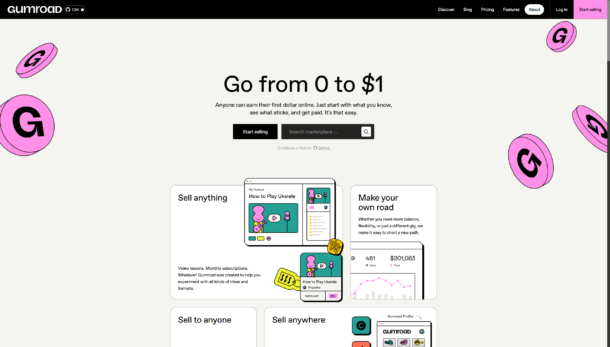
Gumroad built its reputation as the creator-friendly option. That reputation took a hit in recent years, though they’ve made some corrections.
Their current structure charges a flat 10% fee plus $0.50 per transaction. A $20 ebook sale nets you $17.50 after fees. A $10 template becomes $8.50. Those percentages compound painfully at volume.
Three major changes in 2024-2025 reshaped Gumroad’s value proposition. First, they lost PayPal integration in October 2024, which limited payout options to bank transfers only. However, PayPal support was restored in early 2025, which addressed the concerns of international creators. Second, Gumroad became a full Merchant of Record, which means they now handle all global tax collection and remittance automatically.
The Merchant of Record change matters more than it might seem. If you sell to customers in the EU, UK, or other jurisdictions with VAT requirements, Gumroad now handles the compliance headache for you. For creators who sell internationally without tax automation, this alone might justify their fees.
Best for: Beginners who test products, creators who prioritize simplicity over cost optimization, international sellers who need tax compliance handled automatically.
Payhip Charges Half of What Gumroad Takes
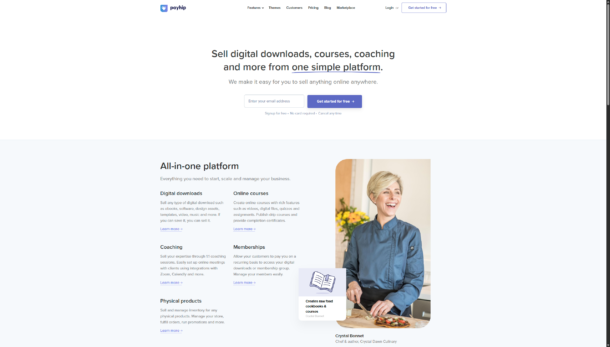
Payhip has quietly become the platform that makes Gumroad look expensive.
Their free tier charges 5% transaction fees, which is half of Gumroad’s take. Their $99/month Pro plan eliminates transaction fees entirely. Unlike Gumroad, Payhip kept PayPal support throughout, offers upsells and cross-sells on all plans, and provides cart abandonment emails on paid tiers.
The breakeven math works like this: if you sell $2,000/month in digital products, Payhip Pro’s $99 subscription costs less than what you’d pay in 5% fees. Everything above that threshold is pure savings.
Best for: Cost-conscious creators at any revenue level, anyone who needs PayPal payouts, creators who want upsell and cross-sell functionality without premium prices.
Stan Store Was Built for TikTok, Instagram, and YouTube Creators
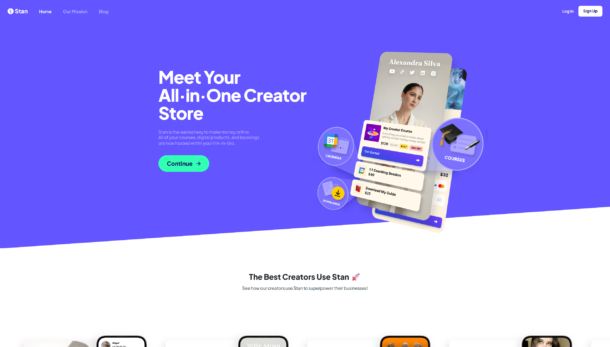
Stan Store was purpose-built for TikTok, Instagram, and YouTube creators who need to monetize through their link in bio.
The Creator plan costs $29/month with a 5% transaction fee, while the Pro plan at $99/month eliminates transaction fees entirely. Stan Store has processed over $400 million for creators. The platform combines digital product sales, calendar bookings for calls or coaching, online courses, and email collection in one mobile-optimized experience.
Stan Store won’t help you get found because it has no marketplace. But if you already have followers who want to buy from you, it removes every possible friction point between their interest and your revenue.
Best for: Social media creators with existing audiences, anyone who sells a mix of digital products and services, creators who need one-tap mobile checkout.
Ko-fi Lets You Start with Zero Platform Fees
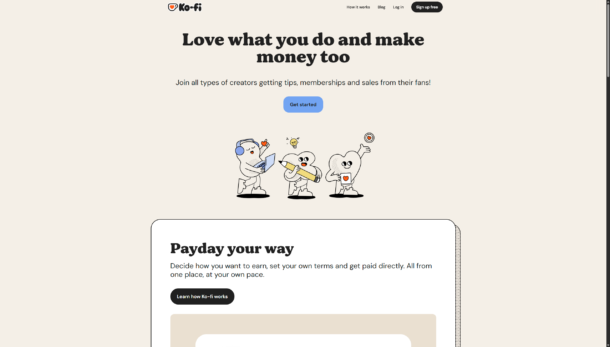
Ko-fi stands out for creators who want to start without any commitment.
Tips and donations on Ko-fi’s free plan incur zero platform fees, so you only pay standard PayPal or Stripe processing (about 2.9% + $0.30). Shop sales and memberships charge 5% on the free plan, or you can eliminate all platform fees with Ko-fi Gold at $6-12/month.
Ko-fi also offers instant, direct payouts rather than the weekly schedules common elsewhere. For creators who need cash flow flexibility, this feature provides meaningful value.
Best for: Creators who test ideas with minimal risk, anyone who builds a tip or donation-based model, artists and writers who want to add digital products to existing support systems.
Lemon Squeezy Handles Global Taxes Automatically
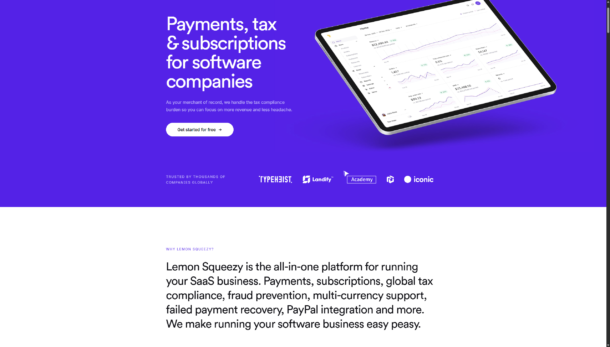
Lemon Squeezy carved out a niche that serves software creators and developers, though it works for any digital product.
Fees run 5-8% based on volume, and Lemon Squeezy operates as a Merchant of Record, which means they handle global tax compliance automatically. In October 2024, Stripe acquired Lemon Squeezy, which reduced payout fees significantly.
The developer angle shows in their API quality, webhook reliability, and license key management. Most platforms treat these features as afterthoughts, but Lemon Squeezy builds them as core functionality.
Best for: Software and SaaS sellers, creators who need license key management, anyone who prioritizes API quality and developer experience.
Kajabi, Thinkific, and Teachable Compared for Course Creators
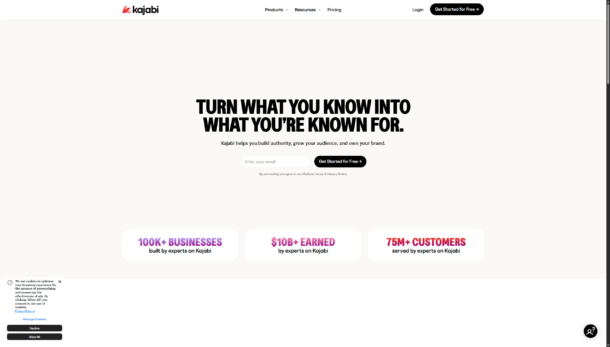
Course-specific platforms optimize for educational content in ways general commerce platforms cannot match.
Teachable ($39-199/month) handles tax compliance through Teachable Payments and offers a clean student experience. Thinkific ($49-199/month) provides superior quiz and assessment tools for creators who need to verify student progress. Kajabi ($89-399/month) bundles course hosting, website building, email outreach, and sales funnels, which potentially saves $100+ monthly versus separate tools.
Kajabi’s all-in-one approach has helped creators earn over $6 billion collectively, with active sellers who average approximately $40,000 annually.
Best for: Educators who build substantial course businesses, creators who want website, email, and courses in one platform (Kajabi), those who need student assessments and certifications (Thinkific).
Skool Charges the Lowest Transaction Fees in the Industry

Skool launched a new tier that disrupts course platforms.
Their $9/month Hobby tier charges 10% transaction fees. Their $99/month Pro tier drops that to just 2.9%, which is the lowest in the industry for a full-featured course platform. Backed by Sam Ovens and Alex Hormozi, Skool emphasizes community features with gamification elements like points, badges, and leaderboards that drive engagement traditional LMS platforms cannot match.
The limitation: Skool doesn’t host video natively, so you’ll need YouTube, Vimeo, or Wistia embeds. They also lack quizzes and assessments entirely.
Best for: Community-based programs, creators who prioritize engagement over traditional course structure, anyone who builds a paid community with educational components.
Udemy Takes Up to 85% of Your Course Revenue

Udemy offers access to 75+ million learners without any effort on your part. That reach comes at a devastating cost.
Instructor revenue share dropped from 25% to 20% in January 2024, then to 17.5% in January 2025, with further reduction to 15% planned for January 2026. A Class Central analysis found Udemy paid instructors $30.7 million less in 2024 despite the platform’s 8% revenue growth. Udemy also introduced ads to free courses, and instructors receive zero share of ad revenue.
The practical result: courses priced at $199 sell for $9.99 during constant promotional periods, and you keep $1.50-$3.70 of that based on how the customer found your course. The trajectory is clear, and instructors who rely on Udemy as a primary income source should diversify immediately.
Best for: Creators who prioritize reach over revenue, those who use Udemy as a top-of-funnel lead generator rather than primary income source.
ThriveCart Costs $495-$690 Once and Never Charges Fees Again
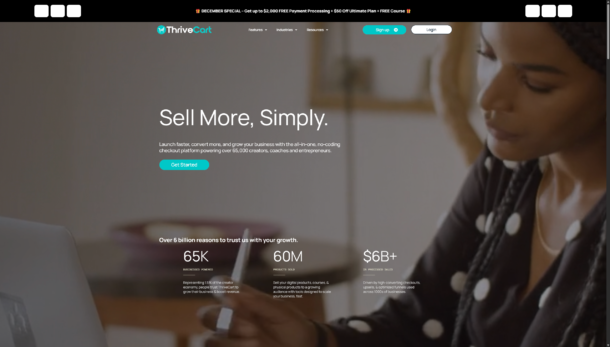
ThriveCart operates differently from everything else on this list. You pay a one-time fee of $495-$690 for lifetime access, with zero subscription fees or transaction percentages.
You still pay Stripe or PayPal processing (around 2.9% + $0.30), but ThriveCart takes nothing beyond the initial purchase. The platform includes high-converting checkout pages, upsells, downsells, order bumps, A/B tests, and affiliate management. ThriveCart Learn, their LMS feature for course hosting, is now a mature, stable feature. They also released ThriveCart Pro+, which added multiple order bumps, tax-inclusive pricing options, and enhanced subscription management.
ThriveCart’s ROI versus subscription alternatives like SamCart typically arrives within 6-12 months. After that, every dollar you would have spent on platform fees stays in your pocket.
Best for: Established creators with consistent sales, anyone who plans to sell digital products for years rather than months, cost-optimizers who want to eliminate recurring platform costs.
Amazon KDP Cut Print Royalties to 50%
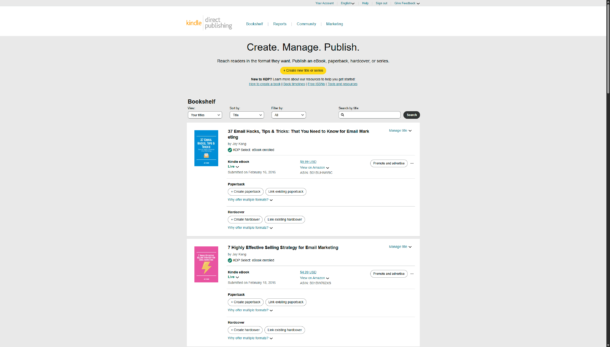
Amazon Kindle Direct Publishing remains the dominant force in ebook distribution, but recent changes affect profitability.
Ebook royalties remain at 70% for books priced $2.99-$9.99 (minus delivery costs) or 35% outside that range. However, as of June 2025, print royalties dropped from 60% to 50% for books priced under $9.99.
KDP Select requires 90-day exclusivity but provides access to the Global Fund (approximately $64.6 million monthly) with per-page payouts around $0.40-$0.50 per 100 pages read.
Best for: Authors who prioritize reach over margin, fiction writers who benefit from Kindle Unlimited’s per-page payouts, anyone who wants Amazon’s discovery and recommendation algorithms to work for them.
Etsy Added New Fees and Banned AI Prompt Bundles
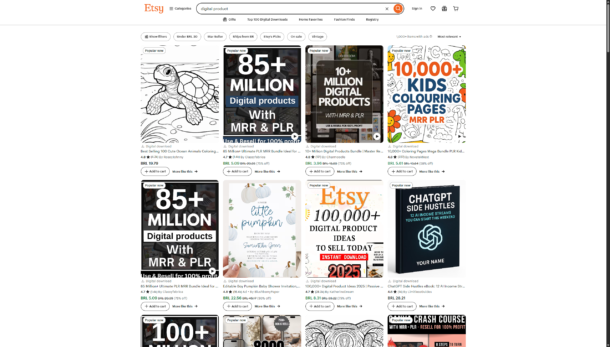
Etsy remains popular for printables and creative digital products, but fee changes and policy updates have reshaped its value.
Total fees now reach 12-15% minimum: listing fees ($0.20), transaction fees (6.5%), payment processing (3% + $0.25). If you exceed $10,000 in trailing 12-month sales, Etsy automatically enrolls you in Offsite Ads, which adds another 12-15% fee on sales from those ads. You cannot opt out.
Policy changes require AI disclosure for AI-generated products and ban AI prompt bundle sales entirely. A $15 shop setup fee also launched in September 2024.
Best for: Creators who sell printables, planners, and craft-oriented digital products to Etsy’s existing buyer base, those who lack their own audience and need marketplace discovery.
SendOwl Raised Prices Dramatically

Some users reported price increases that exceeded 1,000% with SendOwl’s new pricing structure, which drove migration to alternatives like Payhip and Lemon Squeezy.
If you currently use SendOwl, review your current costs against Payhip or Lemon Squeezy. The migration is straightforward and could save significant money.
Promotion Methods That Drive Sales Today
Platforms only matter if people find your products. Here’s what drives sales now.
Customers Need More Touchpoints Before They Buy
Consumers now require more touchpoints before they purchase. Launch sequences that previously converted after 18 emails now require 24+. Trust builds slower in a market saturated with digital products.
Live launches with cart open and close deadlines still work for established audiences, but they require extensive pre-launch content. Most sales occur on day one and the final day, so the middle of your launch window will feel painfully quiet.
Email Outperforms Every Other Channel for ROI
Email generates the highest ROI of any channel for digital products. Segmented campaigns produce 6x more transactions than mass broadcasts. Cart abandonment emails achieve 41% open rates and 50% conversion when opened, which potentially recovers 20-30% of abandoned carts.
The shift toward text-forward, simple email designs over heavy graphics reflects both recipient preferences and improved deliverability.
TikTok Delivers 2.5-5x Higher Engagement Than Instagram
TikTok delivers 2.5-5x higher engagement than Instagram, with 39% of users who purchase products they found on the platform. Creator-led content significantly outperforms polished brand ads.
YouTube reaches 84% of US adults, which is more than any other platform, and builds deep trust through long-form content. For course promotion and evergreen educational content, nothing matches YouTube’s long-term value.
A Product Ladder Turns Small Buyers Into Big Spenders
Successful digital product businesses build progressive products:
Free content or lead magnet builds your audience and email list.
Tripwire product ($7-47) converts audience members into customers. This step matters more than most creators realize because buyers who make even small purchases become significantly more likely to purchase higher-ticket products.
Core offer ($97-497) drives primary revenue.
Premium offer ($497-2,000+) captures customers ready for deeper transformation.
High-ticket ($2,000+) serves your most committed customers through coaching, consulting, or masterminds.
Get tips on marketing your digital products.
Expensive Mistakes That Drain Creator Revenue
You can learn from others’ expensive errors rather than make your own.
Brand Recognition Doesn’t Equal Best Value
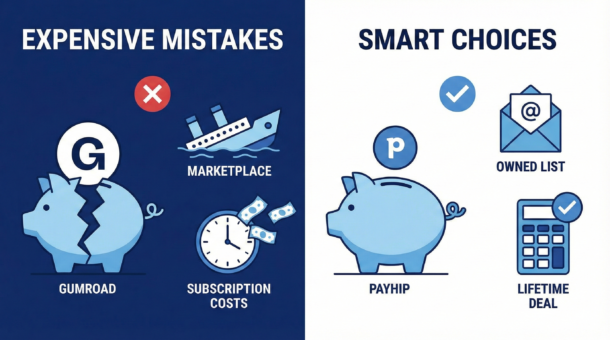
Gumroad’s name recognition doesn’t make it the right choice for your situation. Payhip’s 5% fees versus Gumroad’s 10% represents $5,000 in savings on every $100,000 in sales. Calculate true cost of ownership over a 3-5 year horizon before you commit.
Marketplace Dependency Puts Your Business at Risk
Complete reliance on Etsy, Udemy, or any marketplace without direct customer relationships creates dangerous platform dependency. Algorithms change. Fees increase. Platforms disappear.
Your email list belongs to you regardless of what happens to any platform. Prioritize conversion of marketplace customers to email subscribers from day one.
Failure to Calculate Long-Term Platform Costs
A $29/month platform feels cheap until you realize it costs $348/year. Compare that to ThriveCart’s $495-690 one-time fee—you break even in under two years and save money forever after.
Run the math on your expected sales volume across 3-5 years before you commit to any platform.
Which Platform to Choose Based on Your Situation
After all the options, here’s how to make an actionable decision.
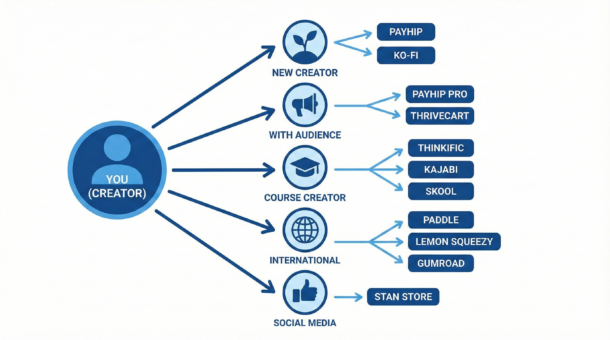
New Creators Should Start with Payhip or Ko-fi
Start with Payhip Free (5% fees, full features) or Ko-fi (0% on tips, 5% on sales). Test product-market fit before you commit to monthly subscriptions. Gumroad remains viable if you prioritize marketplace discovery and automatic tax compliance over fee optimization.
Creators with Audiences Should Use Payhip Pro or ThriveCart
Payhip Pro ($99/month, 0% fees) or ThriveCart ($495-690 lifetime) maximize profit from traffic you already control. Self-hosted WordPress with Easy Digital Downloads provides maximum ownership for technically comfortable creators.
Course Creators Should Compare Thinkific, Kajabi, and Skool
Thinkific offers the best assessment tools. Kajabi provides the most complete all-in-one solution. Skool excels for community-integrated programs with industry-low 2.9% fees on their Pro plan.
Avoid Udemy unless reach matters more than revenue.
International Sellers Need Merchant of Record Platforms
Paddle, Lemon Squeezy, or Gumroad operate as Merchant of Record, which handles global VAT, GST, and sales tax automatically. The 5-10% fees typically cost less than independent compliance management across multiple jurisdictions.
Social Media Creators Should Use Stan Store
Stan Store ($29/month with 5% fees, or $99/month with 0% fees) is purpose-built for TikTok, Instagram, and YouTube monetization. Beacons works for creators who prioritize free plans and accept 9% fees until they scale.
Your Next Steps
Here’s exactly what to do based on where you are right now:
If you have zero sales yet: Start with Payhip Free or Ko-fi. List one product. Get your first sale. Validate before you optimize.
If you sell under $1,000/month: Stay on free tiers. Focus on audience growth and email list expansion. Platform fees matter less than lack of customers.
If you sell $1,000-$5,000/month: Calculate your current platform fees. Compare Payhip Pro ($99/month, 0% transaction fees) against your current costs. The breakeven is $2,000/month.
If you sell $5,000+/month: Evaluate ThriveCart ($495-690 one-time) or self-hosted solutions. At this volume, you save thousands annually on transaction fees.
If you sell internationally: Switch to a Merchant of Record platform (Gumroad, Lemon Squeezy, or Paddle) immediately if you haven’t already. EU VAT non-compliance fines can reach 100% of unpaid VAT.
If you rely on one platform for 100% of sales: Start an email list today. Platforms change policies, raise fees, and sometimes disappear. Your email list is the only asset you truly own.
The platform you choose affects every sale you make for years. Run the numbers for your specific situation, pick the option that maximizes your profit at your current volume, and revisit this decision every time your revenue doubles.
Frequently Asked Questions About Selling Digital Products
Get answers to the most common questions about choosing the right platform to sell your digital products
What are the three main types of platforms for selling digital products?
Digital product platforms fall into three categories: Marketplaces (like Etsy, Gumroad, Creative Market) that give you traffic but take higher fees; Creator Commerce Platforms (like Stan Store, Payhip, Ko-fi) that offer lower fees and more control; and Self-Hosted Solutions (like WooCommerce, ThriveCart) where you keep almost everything after payment processing but must drive your own traffic.
How much can I save by choosing the right platform?
The difference can be substantial. A creator generating $50,000 annually would pay approximately $5,250 on Gumroad versus roughly $600 with a self-hosted WordPress setup. That’s a difference of over $25,000 across five years. Even switching from Gumroad’s 10% fees to Payhip’s 5% fees saves $5,000 on every $100,000 in sales.
Which platform is best for beginners with no audience?
Start with Payhip Free (5% fees with full features) or Ko-fi (0% on tips, 5% on sales). These platforms let you test product-market fit without monthly subscription commitments. Gumroad is also viable if you prioritize their marketplace discovery and automatic tax compliance over fee optimization. Focus on getting your first sale before worrying about platform optimization.
What is a Merchant of Record and why does it matter?
A Merchant of Record platform handles all global tax collection and remittance automatically, including VAT, GST, and sales tax across different jurisdictions. Platforms like Gumroad, Lemon Squeezy, and Paddle operate as Merchants of Record. This matters especially for international sellers because EU VAT non-compliance fines can reach 100% of unpaid VAT. The 5-10% fees typically cost less than managing compliance independently.
Which platform is best for social media creators?
Stan Store is purpose-built for TikTok, Instagram, and YouTube creators. Their Creator plan costs $29/month with 5% transaction fees, while the Pro plan at $99/month eliminates transaction fees entirely. The platform combines digital product sales, calendar bookings, online courses, and email collection in one mobile-optimized experience designed for link-in-bio monetization.
When does it make sense to switch to ThriveCart?
ThriveCart charges a one-time fee of $495-$690 for lifetime access with zero subscription fees or transaction percentages. You only pay standard payment processing (around 2.9% + $0.30). The ROI versus subscription alternatives typically arrives within 6-12 months. If you sell $5,000+ monthly and plan to sell digital products for years, ThriveCart can save you thousands annually on transaction fees.
Why should I avoid relying solely on Udemy for course sales?
Udemy’s instructor revenue share has dropped steadily: from 25% to 20% in January 2024, to 17.5% in January 2025, with 15% planned for 2026. Courses priced at $199 often sell for $9.99 during constant promotions, leaving you with just $1.50-$3.70 per sale. A Class Central analysis found Udemy paid instructors $30.7 million less in 2024 despite 8% revenue growth. Use Udemy for reach, not as your primary income source.
What are the total fees on Etsy for digital products?
Etsy’s total fees now reach 12-15% minimum: listing fees ($0.20), transaction fees (6.5%), and payment processing (3% + $0.25). If you exceed $10,000 in trailing 12-month sales, Etsy automatically enrolls you in Offsite Ads, adding another 12-15% fee on sales from those ads—and you cannot opt out. Additionally, AI prompt bundle sales are now banned, and a $15 shop setup fee launched in September 2024.
Which course platform has the lowest transaction fees?
Skool offers the lowest transaction fees in the industry at just 2.9% on their $99/month Pro tier. Their $9/month Hobby tier charges 10%. Backed by Sam Ovens and Alex Hormozi, Skool emphasizes community features with gamification. However, Skool doesn’t host video natively (requiring YouTube, Vimeo, or Wistia embeds) and lacks quizzes and assessments entirely.
What’s the most important asset I should build regardless of platform?
Your email list is the only asset you truly own. Complete reliance on any marketplace without direct customer relationships creates dangerous platform dependency—algorithms change, fees increase, and platforms can disappear. Prioritize converting marketplace customers to email subscribers from day one. Email also generates the highest ROI of any channel for digital products, with segmented campaigns producing 6x more transactions than mass broadcasts.