Issuu, Scribd, and BookFunnel are the three best ebook sharing sites to use in 2026, with SlideShare still worth a look for slide-formatted content. Issuu is the pick for visually rich ebooks that deserve a flipbook reader. Scribd works as a document mirror for research-style or reference ebooks. BookFunnel is the standard for delivering a free ebook in exchange for an email.
So if you’ve put real work into your ebook and you’re looking for the right place to host and share it, this guide covers what each platform does best, what it costs, and when it’s worth your time.
Quick Comparison of the Top Ebook Sharing Sites
Here’s how the main options stack up at a glance:
| Platform | Free plan? | Paid plans | Best for |
|---|---|---|---|
| Issuu | Yes (5 publications, limits) | Starter + Unlimited | Magazine-style, visually rich ebooks |
| Scribd | Free upload | No upload fee | Reference material, research-heavy PDFs |
| SlideShare | Yes, free | No paid tier | Slide-formatted ebooks |
| BookFunnel | 30-day trial | From $20/year | Reader-magnet delivery in exchange for email |
| Smashwords | Free | Revenue share on sales | Wide distribution to retailers |
Now let’s get into what each one actually does and whether it’s right for your ebook.
Issuu
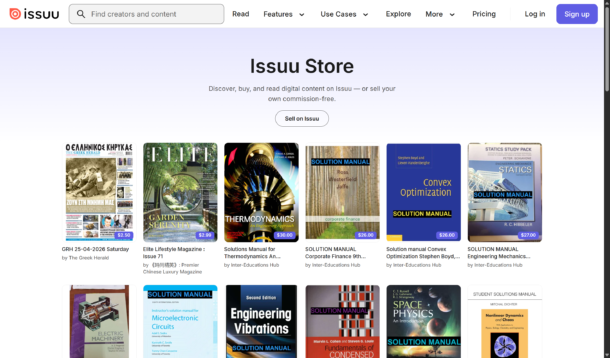
Issuu is the best ebook sharing site if your ebook is visually rich. Think magazine-style layouts, catalogs, portfolios, lookbooks, photography-heavy guides. The flipbook reader genuinely looks good, and the embedded viewer drops cleanly onto your own site.
The free Basic plan lets you publish up to 5 documents with Issuu’s branding on the viewer and some page and file-size limits. The paid Unlimited plan removes the publication caps, adds lead-generation forms, and gives you better analytics. Pricing on the paid tier varies, so check Issuu’s current pricing page before you commit.
One thing to know upfront. Issuu is a presentation tool, not a search-traffic tool. The links you earn when someone shares your publication are nofollow, which means they don’t pass SEO juice to your own site. Upload to Issuu because your ebook deserves to look good. Don’t upload expecting Google rankings.
Scribd
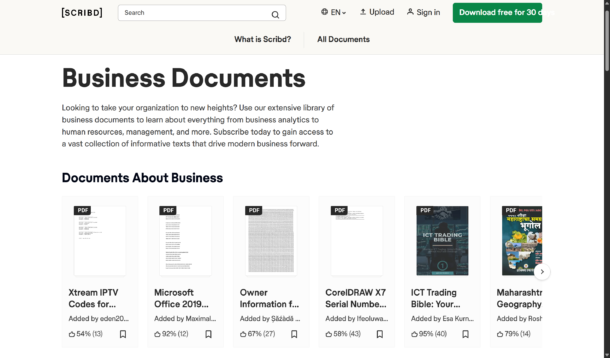
Scribd works well as a secondary place to host your ebook, especially if it’s research-heavy, long-form reference material, or anything a reader might search for by topic. Scribd documents still get indexed by Google, so you can pick up some long-tail discovery traffic from people searching very specific queries.
Worth knowing — Scribd split into three separate products back in November 2023. The consumer subscription service became Everand (which is now the ebook and audiobook reader). Scribd itself is the documents platform where you upload. And SlideShare runs as its own standalone thing. So when you “upload to Scribd” in 2026, you’re uploading to the documents side only.
Upload is free. Think of Scribd as a ten-minute job — a place to mirror your ebook so it can surface in a different corner of the internet. Not somewhere to pour real effort.
SlideShare
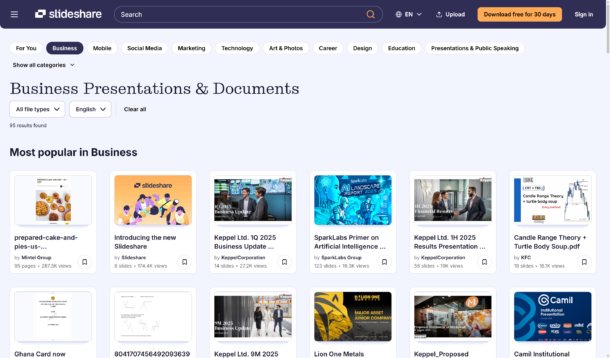
SlideShare is a document and presentation host owned by Scribd. It’s still free to upload, still indexable by Google, and still worth five minutes of your time if your ebook genuinely works as a slide deck.
The catch is that SlideShare’s active community isn’t what it used to be, so don’t expect much in the way of organic discovery from the platform itself. The value you’ll get is mostly from search — someone finds the deck in a Google result, reads it, clicks through to your site.
If you’re already publishing a slide-format version of your ebook for other reasons (like a talk or a webinar), uploading it here is a no-brainer. If you’d have to rebuild your ebook as slides just to post it, skip it.
BookFunnel
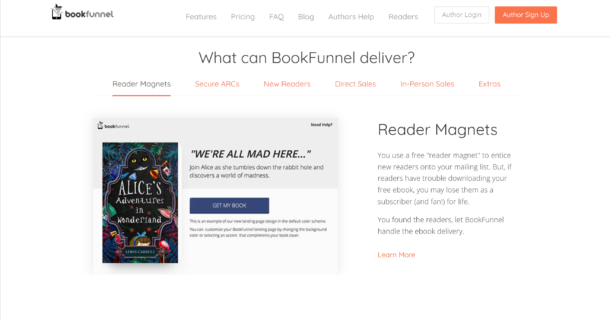
BookFunnel is the standard tool if your ebook is a reader magnet — a free gift in exchange for someone’s email. It solves a problem most people don’t realize they have until they’re dealing with it: getting a PDF or EPUB onto whatever device your reader uses.
Here’s what BookFunnel handles for you. Someone lands on your signup page, drops their email, and BookFunnel delivers the ebook to their Kindle, Kobo, iPad, iPhone, Android device, or just as a plain download. No formatting nightmares. No “how do I sideload this to my Kindle” support emails.
Pricing starts at around $20/year for the entry plan with a cap on downloads per month, and goes up from there depending on volume and features. For most lead-magnet ebooks, the cheapest plan is all you need.
Smashwords and Draft2Digital
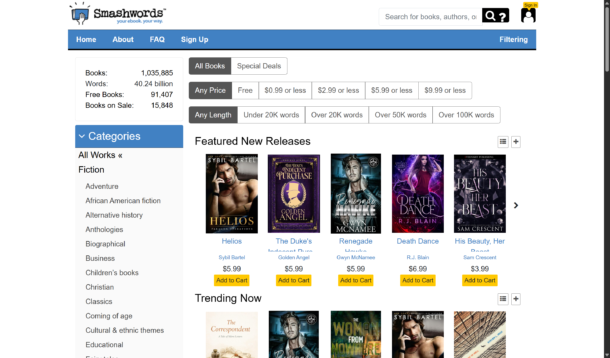
If your ebook is actually meant to sell rather than be given away, Smashwords and Draft2Digital are different beasts entirely. They’re distribution platforms rather than sharing sites — you upload once, and they push your ebook out to Apple Books, Barnes & Noble, Kobo, and a handful of smaller retailers. You set the price, they take a cut of each sale.
These aren’t really “sharing” sites in the same sense as Issuu or Scribd. They’re the sites you use when your ebook has a price tag and you want it in front of paying readers.
What About Just Uploading to Amazon KDP?
Amazon KDP comes up a lot in ebook conversations, so worth a quick word on it. KDP is where you publish an ebook for sale on Kindle. It’s not a “sharing” site in any meaningful sense — you can’t host a free lead-magnet PDF there, because everything goes through the Kindle ecosystem.
If you’re selling, KDP is a must. If you’re sharing a free ebook to grow an email list, KDP isn’t the right tool.
Which Ebook Sharing Site Should You Pick?
The right answer depends on what your ebook is and what you want out of it.
For a free lead-magnet ebook that you want people to download in exchange for their email, start with BookFunnel.
For a beautifully designed ebook where the layout matters, use Issuu.
For a research-heavy or reference-style ebook where people might find it through specific search queries, upload a copy to Scribd.
For a slide-formatted ebook or one that works as a deck, throw it on SlideShare as a secondary mirror.
For a paid ebook you want to sell across retailers, use Smashwords or Draft2Digital to distribute, and Amazon KDP for the Kindle store directly.
And here’s the honest bit — you don’t have to pick just one. For most ebooks, a combination of two or three of these covers your bases without spreading yourself thin.
A Quick Heads-Up on SEO
One thing worth saying plainly. Ebook sharing sites won’t do much for your search rankings. The links you earn from uploads are almost always nofollow, which means Google mostly ignores them as ranking signals.
So upload your ebook to these sites for distribution — because readers are already on them, because they look good, because they make delivery easier. Don’t upload expecting a backlink boost. That’s not where the value comes from.
The Bottom Line
The best ebook sharing site is the one that matches what your ebook actually is. A magazine-style design belongs on Issuu. A research PDF belongs on Scribd. A free reader magnet belongs on BookFunnel. A paid ebook belongs on Smashwords, Draft2Digital, or Amazon KDP.
Pick the one that fits. Upload it well. Then move on and spend your real energy on the thing that always matters most — getting your ebook in front of the readers you already have.
So what kind of ebook did you create? Once you know that, the right sharing site picks itself.
Frequently Asked Questions About Ebook Sharing Sites
Get answers to the most common questions about hosting and sharing your ebook online
What is the best ebook sharing site in 2026?
There isn’t a single “best” site — it depends on what your ebook is. Issuu is the top pick for visually rich, magazine-style ebooks thanks to its flipbook reader. Scribd works best as a mirror for research-heavy or reference PDFs. BookFunnel is the standard for delivering a free ebook in exchange for an email address. For most authors, using two or three of these together covers every base.
Is Issuu free to use?
Yes, Issuu has a free Basic plan that lets you publish up to 5 documents, though it comes with Issuu’s branding on the viewer and some page and file-size limits. The paid Unlimited plan removes publication caps, adds lead-generation forms, and gives you better analytics. Pricing on paid tiers varies, so always check Issuu’s current pricing page before committing.
Will uploading my ebook to these sites help my SEO?
Honestly, not much. The links you earn from ebook sharing sites are almost always nofollow, which means Google mostly ignores them as ranking signals. Upload your ebook to these platforms for distribution and visibility — because readers are already there, because it looks good, or because delivery is easier. Don’t upload expecting a backlink boost, because that’s not where the value comes from.
What happened to Scribd? Is it still a documents platform?
Scribd split into three separate products back in November 2023. The consumer subscription service became Everand (now the ebook and audiobook reader). Scribd itself is now strictly the documents platform where you upload your content. SlideShare runs as its own standalone platform. So when you “upload to Scribd” today, you’re uploading to the documents side only.
How much does BookFunnel cost?
BookFunnel pricing starts at around $20/year for the entry-level plan, which includes a cap on downloads per month. Higher tiers are available depending on your volume and desired features. For most authors using a lead-magnet ebook to grow an email list, the cheapest plan is all you need. There’s also a 30-day trial available if you want to test it before committing.
What makes BookFunnel different from other sharing sites?
BookFunnel solves a problem most people don’t realize they have until they’re in the middle of it: getting an ebook file onto whatever device a reader actually uses. When someone signs up with their email, BookFunnel delivers the ebook to their Kindle, Kobo, iPad, iPhone, Android device, or as a plain download. No formatting nightmares, no support emails about sideloading to Kindle.
Is SlideShare still worth using in 2026?
SlideShare is still free to upload and still indexable by Google, so it’s worth five minutes of your time if your ebook genuinely works as a slide deck. The catch is that SlideShare’s active community isn’t what it used to be, so most value comes from search — someone finds your deck in Google results and clicks through. If you’d have to rebuild your ebook as slides just to post it, skip it.
What’s the difference between Smashwords and sharing sites like Issuu?
They serve completely different purposes. Smashwords and Draft2Digital are distribution platforms, not sharing sites — you upload once and they push your ebook out to retailers like Apple Books, Barnes & Noble, and Kobo. You set the price, they take a cut of each sale. Issuu, Scribd, and similar sites are for hosting and sharing ebooks, typically free ones, rather than selling them through a retail network.
Can I use Amazon KDP to share a free ebook?
Not really. Amazon KDP is where you publish ebooks for sale on Kindle — it’s not a sharing site in any meaningful sense. You can’t host a free lead-magnet PDF there because everything goes through the Kindle ecosystem. If you’re selling an ebook, KDP is a must. But if you’re sharing a free ebook to grow an email list, KDP isn’t the right tool for the job.
Do I have to pick just one ebook sharing site?
Not at all. For most ebooks, a combination of two or three platforms covers your bases without spreading yourself thin. For example, you might use BookFunnel for email-gated delivery, Issuu for a beautiful hosted version, and Scribd as a secondary mirror for search visibility. Pick the combination that matches your ebook’s purpose, upload thoughtfully, and then focus your real energy on promoting it to the readers you already have.