You know you want to sell digital products. The question is: what exactly should you create?
Digital products are anything delivered electronically that customers can download, stream, or access online. No shipping, no inventory, no fulfillment headaches. The economics are what make them attractive: create once, sell infinitely. Your thousandth customer costs you virtually nothing more to serve than your first.
That’s why 68% of internet users aged 16 and older now pay for some form of digital content monthly. The market is projected to reach $416 billion by 2030, and individual creators capture an increasingly large share.
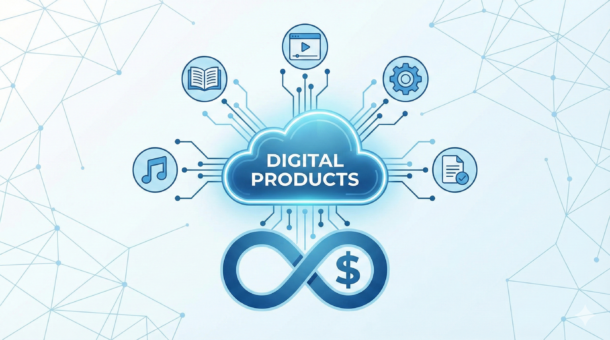
This guide covers every type of digital product you can sell, which categories generate the most revenue right now, and which ones face too much competition to enter without a strong angle.
Every Type of Digital Product You Can Sell
Here is the definitive taxonomy of digital product types available to creators:
Educational Products

- Online courses (video-based, text-based, or hybrid formats)
- Workshops and masterclasses (live or recorded intensive sessions)
- Tutorials and how-to guides (step-by-step instructional content)
- Coaching programs (structured curriculum with accountability)
- Membership communities (continuous access to lessons and community)
- Certification programs (credentialed lessons with assessments)
- Webinar recordings (educational presentations captured for replay)
- Audio courses and lessons (podcast-style educational content)
The e-learning market hit $325-350 billion, which makes educational products the largest category by revenue. Teachable creators alone have earned over $10 billion collectively.
Price ranges: Mini-courses $27-97, signature courses $297-997, premium cohort-based courses $997-5,000+
Profit potential: High. Courses have the highest revenue ceiling of any digital product category. A single course can generate six or seven figures annually with the right audience and positioning.
Templates and Productivity Tools
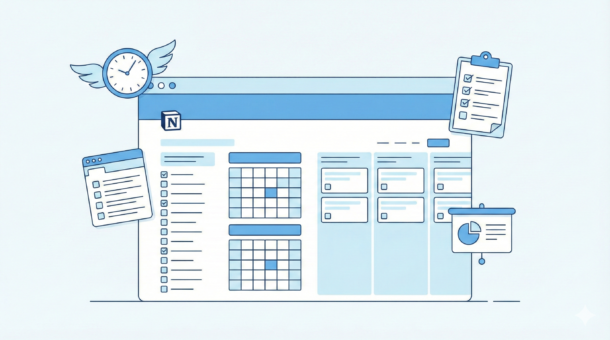
- Notion templates (dashboards, trackers, systems, databases)
- Spreadsheet templates (Excel, Google Sheets calculators and trackers)
- Canva templates (social media, presentations, promotional materials)
- Document templates (contracts, proposals, SOPs, checklists)
- Website themes and templates (WordPress, Shopify, Squarespace, Webflow)
- Email templates (sequences, newsletters, outreach scripts)
- Presentation templates (pitch decks, keynotes, slideshows)
- Project management templates (Asana, Monday, ClickUp, Trello boards)
- Planners and organizational systems (calendars, planners, trackers)
- Business systems (CRMs, client onboarding, workflow automations)
Price ranges: Simple templates $5-29, comprehensive systems $47-199, business bundles $97-299
Profit potential: Medium to high. Lower price points but high volume potential. Notion templates in particular have created multiple six-figure businesses for solo creators.
Creative Assets
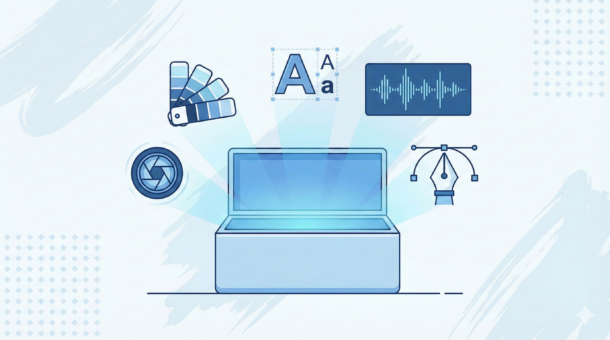
- Lightroom presets (photo filters and adjustments)
- Video LUTs (color grading looks for video editors)
- Stock photography (licensed images for commercial use)
- Stock video and B-roll (footage clips for video projects)
- Music and sound effects (royalty-free audio for content)
- Fonts and typography (custom typefaces for design work)
- Icons and icon packs (vector graphics for interfaces and designs)
- UI kits and design systems (interface components for apps and websites)
- Illustrations and graphics (artwork, patterns, backgrounds)
- Mockups (product presentations, device frames, packaging)
- Brushes and textures (Photoshop, Procreate, design software add-ons)
- 3D models and assets (objects, characters, environments)
- Animation templates (After Effects, motion graphics)
Creative Market takes a 50% commission in this category, but their professional buyer base often justifies the cost for designers who want to reach new audiences.
Price ranges: Presets and LUTs $8-175 per pack, fonts $15-79, UI kits $29-199, icon packs $19-99
Profit potential: Medium. Multiple creators have built six-figure businesses with Lightroom presets and video LUTs through Sellfy, FilterGrade, and direct sales. Competition is intense, so distinctive style matters.
Written and Text-Based Products
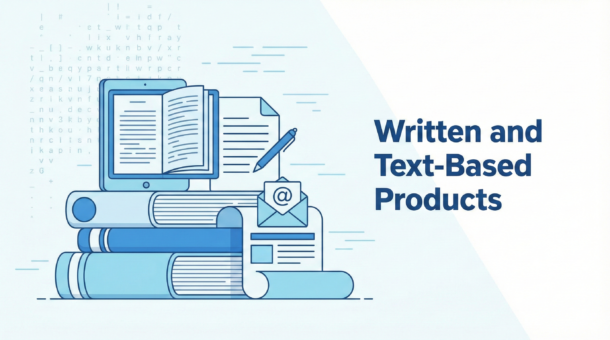
- Ebooks (fiction, non-fiction, guides, manuals)
- Workbooks (interactive exercises and fill-in materials)
- Research reports and whitepapers (data-driven analysis)
- Newsletters and paid subscriptions (continuous written content)
- Scripts and copywriting swipe files (proven message templates)
- Journals and planners (printable or digital fill-in formats)
- Recipe collections and cookbooks (culinary content)
- Travel guides and itineraries (destination-specific content)
- Cheat sheets and quick reference guides (condensed information)
Amazon KDP dominates book distribution, though their recent royalty cuts to 50% for print books under $9.99 have pushed many authors toward direct sales.
Price ranges: Ebooks $4.99-29.99, workbooks $17-47, paid newsletters $5-50/month, swipe files $27-197
Profit potential: Varies widely. Fiction ebooks face brutal competition on Amazon. Non-fiction ebooks paired with courses or coaching have much higher potential. Paid newsletters can generate substantial recurring revenue with the right niche.
Sign up for Designrr’s special offer today!
Software and Technical Products
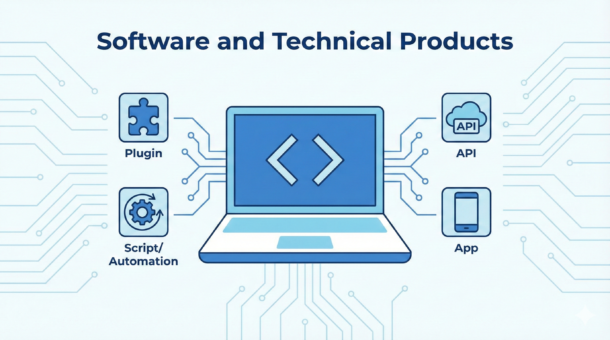
- Apps and mobile applications (iOS, Android, web apps)
- Plugins and extensions (WordPress, browser, software add-ons)
- Scripts and code snippets (automation, functionality additions)
- API access and integrations (developer tools and services)
- Bots and automations (Discord bots, workflow automations)
- SaaS tools (software-as-a-service products)
- Spreadsheet tools with macros (advanced Excel/Sheets functionality)
- No-code app templates (Bubble, Adalo, Glide templates)
Price ranges: Scripts $9-49, plugins $29-199, no-code templates $49-299, SaaS $9-299/month
Profit potential: High ceiling but requires technical skills. WordPress plugins and no-code templates offer the most accessible entry points for non-developers.
AI and Prompt-Based Products
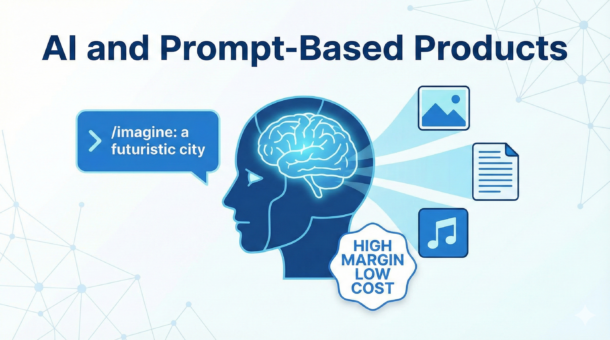
- AI prompt packs (ChatGPT, Midjourney, DALL-E, Claude prompts)
- Custom GPTs and AI agents (pre-built AI assistants)
- AI workflow templates (automation sequences that use AI tools)
- Prompt guides (instruction on how to write effective prompts)
The broader prompt engineering market (which includes enterprise AI integration, B2B consulting, and infrastructure) reached $380 billion in 2024. The consumer market for prompt packs is a small fraction of this figure, but individual prompt packs still sell well.
Price ranges: Individual prompt packs $3-20, comprehensive bundles $37-150, custom GPTs $19-99
Profit potential: High margins (95%+) with virtually no production costs. However, Etsy banned AI prompt bundle sales and requires disclosure for AI-generated products. The market is new and rules are still being established.
Printable Products
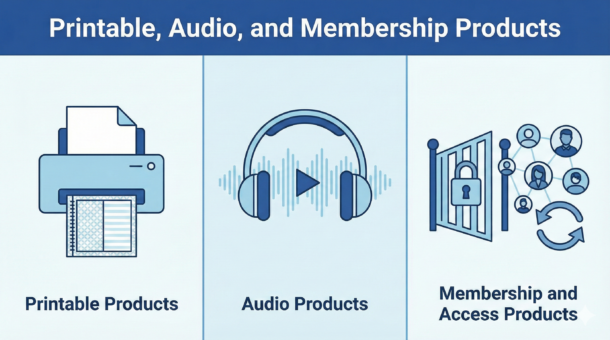
- Wall art and prints (decorative artwork for home print)
- Planners and calendars (print-at-home organization tools)
- Party and event decorations (invitations, banners, signs)
- Educational printables (worksheets, flashcards, activities)
- Stickers and labels (for sticker paper)
- Gift tags and cards (notes, thank you cards)
- Adult and children’s coloring pages
- Patterns and sewing templates (craft instructions)
Price ranges: Individual printables $1-9, bundles $12-39, comprehensive planners $17-49
Profit potential: Low to medium per sale, but high volume potential on marketplaces like Etsy. Works best as part of a larger product ecosystem rather than a standalone business.
Audio Products
- Music tracks and albums (original compositions)
- Sound effects and audio clips (production elements)
- Meditation and hypnosis recordings (guided audio experiences)
- Audiobooks (narrated book content)
- Podcast archives and bonus episodes (exclusive audio content)
- Sample packs and loops (music production elements)
- Voice-over and narration packs (licensed audio for projects)
Price ranges: Sound effects $5-49, meditation recordings $9-29, sample packs $19-99, audiobooks $9.99-24.99
Profit potential: Medium. Meditation and hypnosis recordings have strong recurring potential through apps and memberships. Music production sample packs serve a dedicated buyer base willing to pay premium prices.
Membership and Access Products
- Community memberships (private groups, forums, networks)
- Software licenses and subscriptions (continuous access to tools)
- Content libraries (access to archives of resources)
- Premium newsletter subscriptions (exclusive content delivered regularly)
- Mastermind group access (peer learning communities)
Price ranges: Communities $9-99/month, content libraries $19-49/month, masterminds $200-2,000/month
Profit potential: High. Recurring revenue is the most valuable revenue. A membership with 500 members at $29/month generates $174,000 annually with predictable cash flow.
Service-Hybrid Products
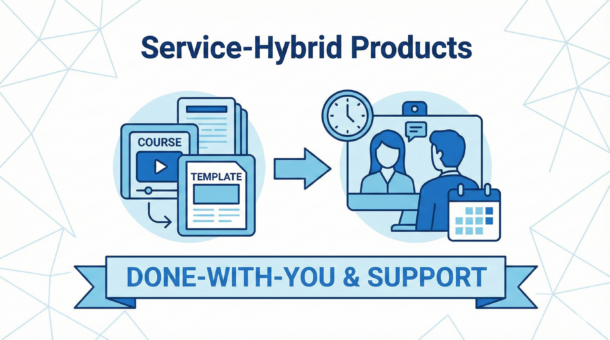
- Done-with-you programs (guided implementation with support)
- Office hours and Q&A access (scheduled expert availability)
- Audit templates with video walkthroughs (DIY consulting frameworks)
- Strategy session recordings (packaged consulting insights)
Price ranges: Done-with-you programs $497-2,997, office hours access $49-199/month, audit templates $97-297
Profit potential: High per customer but limited by your time. These products bridge the gap between pure digital products and services. Best used as premium tiers in a product ladder.
What’s Actually Profitable Right Now
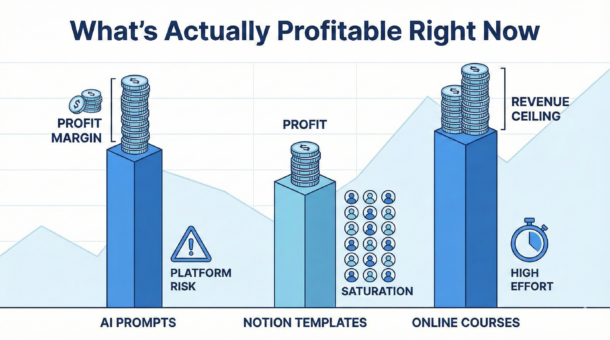
You need to understand what performs in the current market so you can position your products for success.
AI Prompts Generate High Margins but Face Platform Restrictions
The broader prompt market reached $380 billion in 2024, projected to hit $6.5 trillion by 2034. Individual prompt packs sell for $3-20, while comprehensive bundles command $37-150.
With 95%+ profit margins and virtually no production costs, prompt sales have created a new generation of digital product entrepreneurs. PromptBase, Gumroad, and Etsy serve as primary marketplaces, though Etsy banned AI prompt bundle sales and now requires disclosure for AI-generated products.
The opportunity: Create prompts for specific professional use cases (real estate listings, product descriptions, email sequences) rather than generic creative prompts.
The risk: Platform policies continue to shift. Build your own audience rather than rely entirely on marketplaces.
Notion Templates Support Six-Figure Solo Businesses
Notion’s user base growth drives consistent demand for templates. Prices range from $5 for simple templates to $119 for comprehensive systems, with bundles that reach $200+.
Top sellers include life planners, finance trackers, project management systems, second brain setups, and CRM templates. The Notion Marketplace, Gumroad, and Prototion serve as primary distribution channels.
The opportunity: Notion templates for specific professions (real estate agents, therapists, coaches, freelance writers) or specific systems (client onboarding, content calendars, habit tracking) sell better than generic productivity templates.
The risk: Competition has increased significantly. Generic “life dashboard” templates face hundreds of competitors. Specialization is now required.
Online Courses Generate the Highest Revenue Ceiling
The e-learning market reached $325-350 billion and is projected to grow to $665 billion by 2031. Teachable creators alone have earned over $10 billion collectively.
Signature courses typically price at $297-997, with premium cohort-based courses that command $997-5,000+. The shift toward community-integrated models (Skool’s approach) represents the most significant change in course delivery.
The opportunity: Courses that include community access, live calls, or cohort-based elements command premium prices and have higher completion rates. Pure video courses face increasing competition from free YouTube content.
The risk: Course completion rates average 5-15%. Buyers have become skeptical of “passive income” course promises. Transformation-focused courses with accountability outperform information-dump courses.
Lightroom Presets and Video LUTs Serve Content Creators
Content creators’ insatiable demand for aesthetic consistency drives strong preset sales at $8-175 per pack. Multiple creators have built six-figure businesses in this category through Sellfy, FilterGrade, and direct sales.
The opportunity: Presets tied to specific aesthetics (film emulation, specific camera profiles, niche content types like food or real estate photography) sell better than generic “cinematic” packs.
The risk: Free presets are everywhere. Differentiation requires distinctive style and strong brand positioning.
Stock Photos and Basic Templates Face Extreme Competition
Generic stock photos face extreme oversaturation with commoditized prices. Basic Canva templates and simple printables without distinctive style struggle against intense competition. Success in these categories now requires hyper-niche specialization or genuinely unique aesthetic differentiation.
The reality: These categories still generate revenue, but the effort-to-reward ratio has declined. Unless you have a distinctive angle, consider other categories.
Want to learn where to sell your digital products?
How to Choose What to Sell
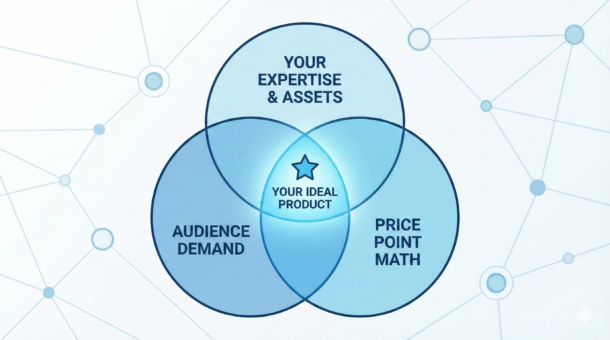
The best digital product for you depends on three factors:
What Expertise or Assets Do You Already Have?
- Professional expertise → Courses, templates, coaching hybrids
- Creative skills → Presets, design assets, templates
- Technical skills → Software, plugins, automations, no-code templates
- Audience access → Whatever that audience needs most
The fastest path to revenue uses what you already know. Don’t learn a new skill to create a digital product when you can package existing expertise.
What Does Your Target Audience Already Buy?
Research before you create:
- Search Gumroad, Etsy, and Creative Market for products in your niche
- Note price points, review counts, and what buyers praise or criticize
- Look for gaps—problems not yet solved or audiences not yet served
- Check Reddit, Facebook groups, and forums for complaints about existing options
The market tells you what it wants if you pay attention.
What Price Point Matches Your Audience Size?
The math matters:
- Small audience (under 1,000): Higher-ticket products ($97+) or services
- Medium audience (1,000-10,000): Mid-range products ($27-97) with upsells
- Large audience (10,000+): Lower-ticket products ($7-27) at volume
You need 100 sales at $97 to hit $9,700. You need 970 sales at $10 for the same revenue. Smaller audiences need higher prices. Larger audiences can support lower prices with volume.
Product Ideas by Creator Type
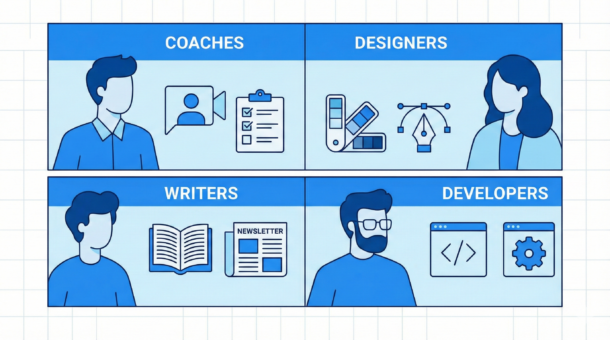
For Coaches and Consultants
- Templates: Client onboarding systems, session notes templates, proposal templates
- Courses: Methodologies you teach repeatedly, frameworks clients implement
- Hybrid products: DIY audit templates, office hours access, group programs
For Designers and Creatives
- Assets: Presets, templates, mockups, fonts, icon packs
- Courses: Design skills, software tutorials, creative processes
- Templates: Client deliverable templates, proposal systems, portfolio builders
For Writers and Content Creators
- Ebooks: Guides, how-tos, frameworks, compilation of best content
- Templates: Content calendars, swipe files, outline systems
- Courses: Writing skills, content strategy, platform-specific growth
For Developers and Technical Creators
- Software: Plugins, scripts, automations, no-code templates
- Courses: Technical skills, framework tutorials, code walkthroughs
- Templates: Boilerplate code, starter projects, documentation systems
For Educators and Subject Matter Experts
- Courses: Structured curriculum on your expertise area
- Memberships: Continuous access to updated content and community
- Templates: Worksheets, frameworks, implementation guides
Start with One Product, Then Expand
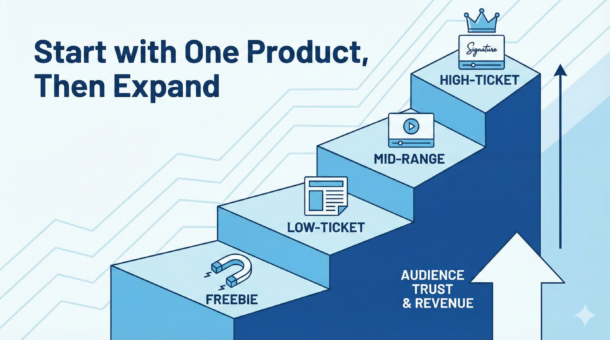
The biggest mistake is to try to launch multiple products simultaneously. Focus on one product that:
- Solves a specific problem for a specific audience
- Uses expertise or assets you already have
- Can be created in weeks, not months
- Has proven demand (people already buy similar products)
- Fits a price point your audience can afford
Get that first product to consistent sales before you add more. A product ladder works only after you have a foundation.
Your first product teaches you more about your audience than any amount of research. What they buy, what they ask for, what they complain about—all of this information shapes your next products.
Start with one. Validate it. Then expand.
Go learn how to market your digital product next.
iv class=”digital-products-faq-container”>
Frequently Asked Questions About Selling Digital Products
Get answers to the most common questions about creating and selling digital products online
What are digital products and why should I sell them?
Digital products are anything delivered electronically that customers can download, stream, or access online—such as courses, templates, ebooks, and software. They’re attractive because you create once and sell infinitely with no shipping, inventory, or fulfillment costs. Your thousandth customer costs virtually nothing more to serve than your first, making profit margins exceptionally high.
Which digital products are most profitable right now?
Online courses have the highest revenue ceiling, with the e-learning market reaching $325-350 billion. Notion templates have created multiple six-figure solo businesses. AI prompt packs offer 95%+ profit margins. Lightroom presets and video LUTs serve content creators with strong recurring demand. The key is specialization—generic products face intense competition while niche-specific offerings command premium prices.
How much can I charge for digital products?
Pricing varies by product type: simple templates sell for $5-29, comprehensive systems for $47-199, mini-courses for $27-97, signature courses for $297-997, and premium cohort-based courses for $997-5,000+. Ebooks typically range from $4.99-29.99, while memberships can command $9-99/month. Your price should match your audience size—smaller audiences need higher-ticket products to generate meaningful revenue.
What digital products should I create if I’m just starting out?
Start with one product that solves a specific problem for a specific audience, uses expertise you already have, can be created in weeks not months, has proven demand (people already buy similar products), and fits a price point your audience can afford. Templates and ebooks are often the fastest to create, while courses have the highest revenue potential but require more upfront work.
Where can I sell my digital products?
Popular platforms include Gumroad, Teachable, and Podia for courses; Etsy for printables and templates; Creative Market for design assets (though they take 50% commission); Amazon KDP for ebooks; and PromptBase for AI prompts. Many successful creators eventually move to direct sales through their own websites to avoid platform fees and build direct customer relationships.
Can I sell AI prompts as digital products?
Yes, AI prompts are a growing category with 95%+ profit margins and virtually no production costs. Individual prompt packs sell for $3-20, while comprehensive bundles command $37-150. However, Etsy has banned AI prompt bundle sales and requires disclosure for AI-generated products. Focus on prompts for specific professional use cases rather than generic creative prompts, and build your own audience rather than relying entirely on marketplaces.
How do I choose between creating a course vs. templates vs. ebooks?
Consider your expertise and assets: professional expertise suits courses, templates, and coaching hybrids; creative skills work well for presets, design assets, and templates; technical skills translate to software, plugins, and automations. Also consider your audience size—courses require larger audiences or higher prices, while templates can succeed with volume sales. Start with what you can create fastest using existing knowledge.
What digital products should I avoid creating?
Generic stock photos face extreme oversaturation with commoditized prices. Basic Canva templates and simple printables without distinctive style struggle against intense competition. Generic “life dashboard” Notion templates compete against hundreds of alternatives. Unless you have a distinctive angle, hyper-niche specialization, or genuinely unique aesthetic differentiation, these categories offer poor effort-to-reward ratios.
How do I validate my digital product idea before creating it?
Research before you create: search Gumroad, Etsy, and Creative Market for products in your niche. Note price points, review counts, and what buyers praise or criticize. Look for gaps—problems not yet solved or audiences not yet served. Check Reddit, Facebook groups, and forums for complaints about existing options. The market tells you what it wants if you pay attention.
What’s the best pricing strategy for different audience sizes?
For small audiences (under 1,000), focus on higher-ticket products ($97+) or services. Medium audiences (1,000-10,000) work well with mid-range products ($27-97) plus upsells. Large audiences (10,000+) can support lower-ticket products ($7-27) at volume. The math matters: you need 100 sales at $97 to hit $9,700, but 970 sales at $10 for the same revenue. Match your price to your reach.